THE WORD
A coin from a valley
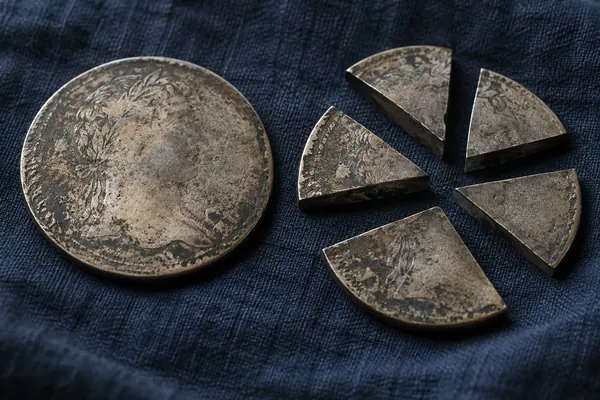
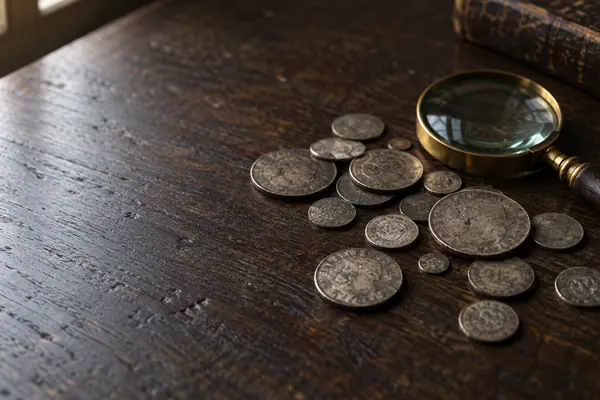
Silver mined near Joachimsthal in Bohemia was struck into large coins called Joachimstalers, soon shortened to thaler. English turned it into daler, then dollar by 1600.
See the timelineA SHORT HISTORY
The dollar is older than the United States.
Its name comes from a 16th-century silver coin minted in a Bohemian valley. Spanish pieces of eight carried the word across the Atlantic, and paper notes followed much later.
SINCE 1500s in silver, then paper
THE SHORT ANSWER
Three steps took the word from Europe
to the money printed in Washington.
THE WORD
Silver mined near Joachimsthal in Bohemia was struck into large coins called Joachimstalers, soon shortened to thaler. English turned it into daler, then dollar by 1600.
See the timelineTHE COIN
English colonists in America called the Spanish silver peso a dollar. It was worth eight reales and was often cut into eight bits to make change.
See the numbersTHE PAPER
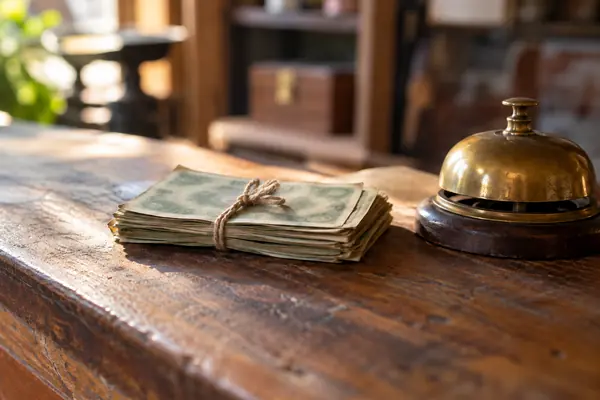
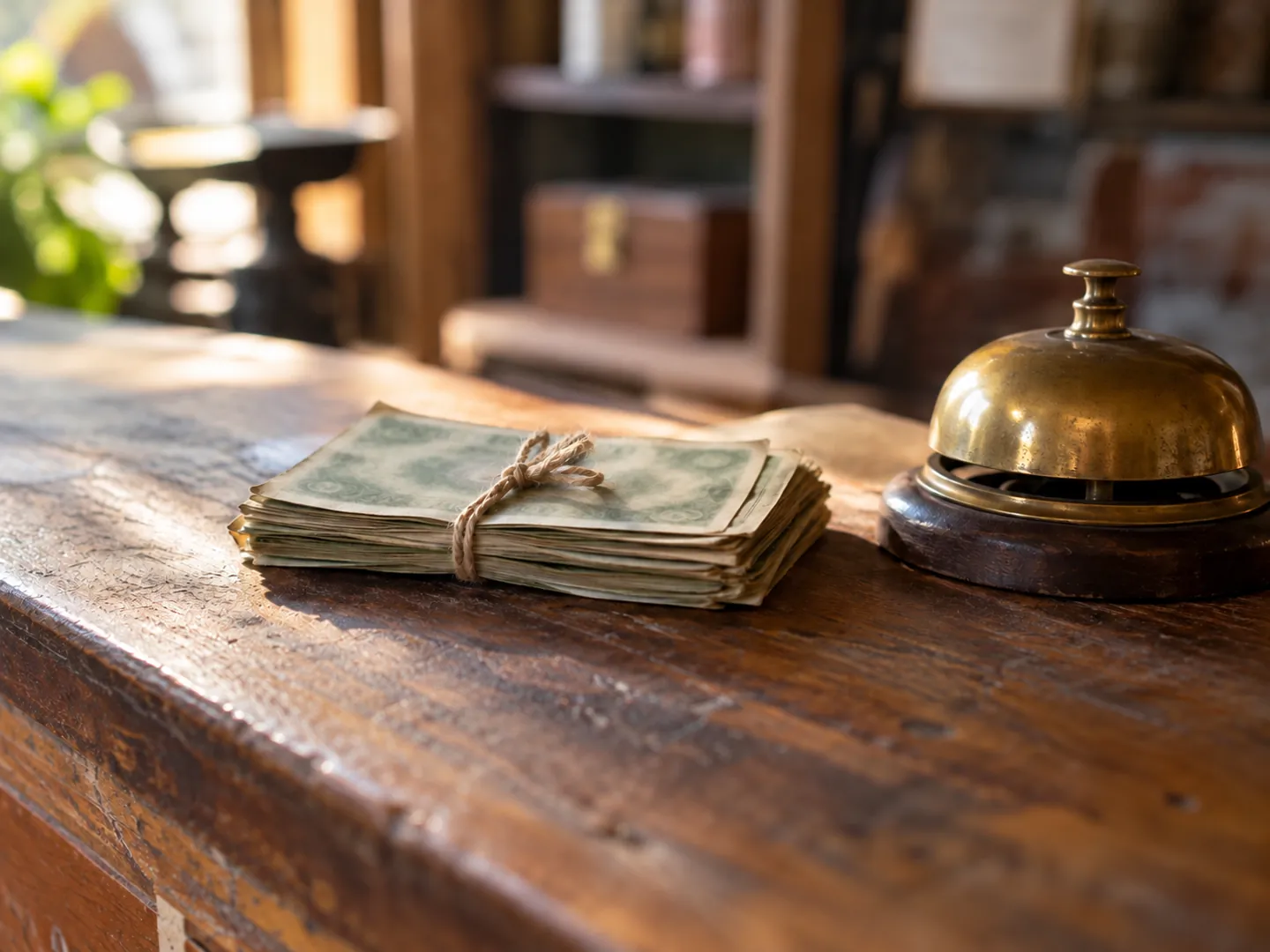
In 1861 Congress authorised Demand Notes to pay for the Civil War. People called them greenbacks, and the Treasury seal joined them on currency the next year.
Read a noteA QUICK TIMELINE
Pick a milestone to see when it happened and what changed. The bar shows how far back in time it sits.
Dates from the US Currency Education Program, the Bureau of Engraving and Printing, Radio Prague and the Online Etymology Dictionary. History only, not financial advice.
TWO NUMBERS WORTH KNOWING
One figure on how far the first thalers spread,
one on how the modern note took shape.
≈ 12million
Ore Mountain thalers in Europe by the mid-1500s
Radio Prague reports that by the middle of the 16th century about 12 million thalers minted in the Ore Mountains had spread across Europe.
THALERS · RADIO PRAGUE
≈ 30% smaller
How much smaller notes became in 1929
The Bureau of Engraving and Printing says notes were made about 30 percent smaller in 1929, which let it print 12 notes per sheet instead of 8.
NOTE SIZE · BEP
The first Continental paper money of 1775 was denominated in Spanish milled dollars. It lost value so quickly that it gave rise to the phrase “not worth a Continental”.
FOUR DETAILS TO SPOT
A modern US note still shows features added at different points in its story. Here is when four of them first appeared, according to the US Currency Education Program.
The seal first appeared on currency during the Civil War, the same year Congress authorised United States Notes.
Serial numbers were added to banknotes in 1928, a year before notes shrank to today's size.
A security thread and microprinting were introduced to deter copying, starting with the Series 1990 $100.
The redesigned $20 added green and peach background colours, and the other notes gained their own tints in the years after.
BITS AND TWO BITS
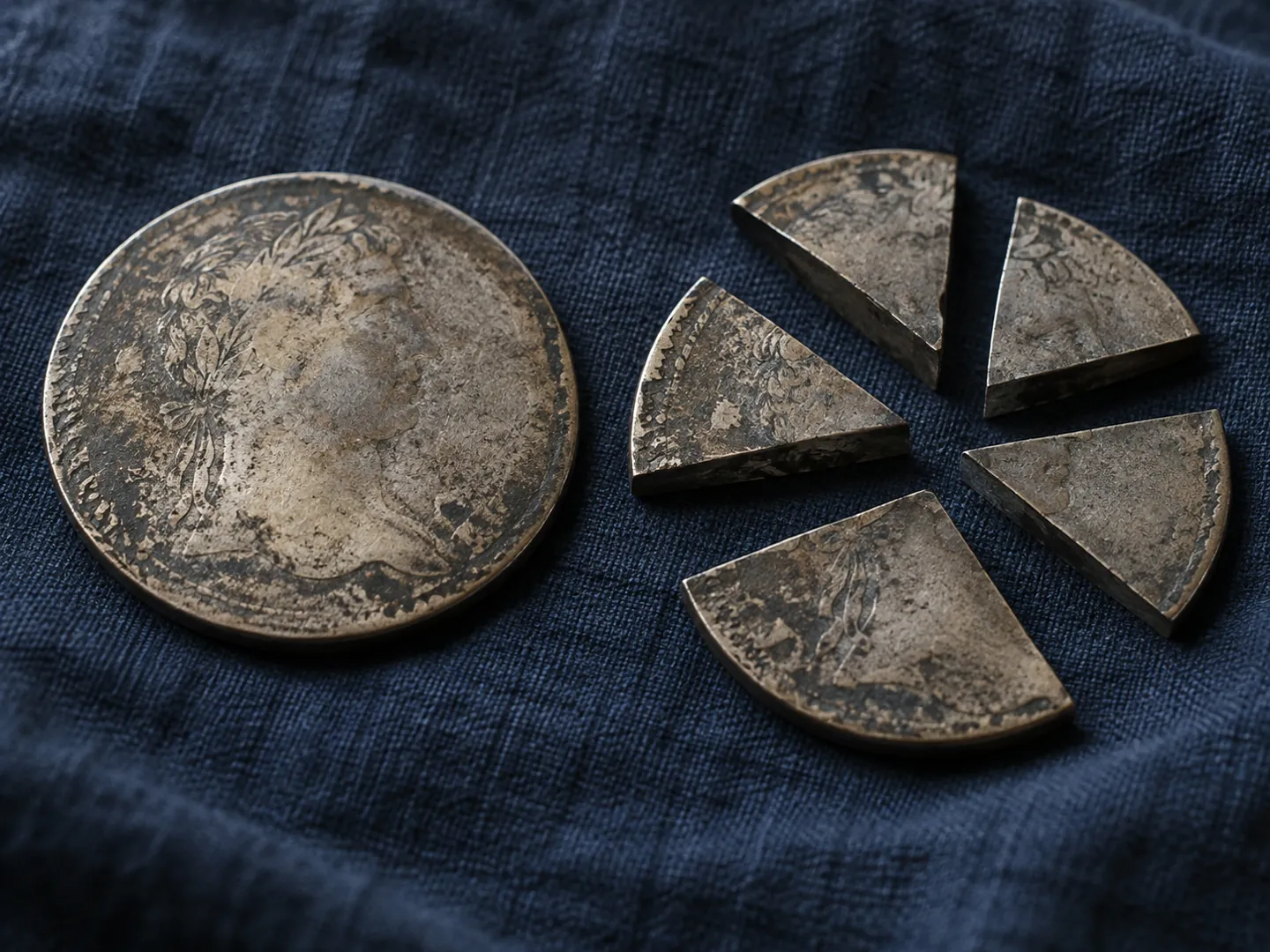
Colonists used foreign coins because England supplied too few and barred them from minting their own. Spanish silver dollars, worth eight reales, were cut into eight bits for change, so a quarter was “two bits”.
A 1995 San Francisco Fed report, quoted by the New York Fed, called the Spanish dollar the “unofficial national currency of the American colonies” for much of the 17th and 18th centuries. That made the dollar the natural choice for the new nation's unit.
Questions
From the thaler, a large silver coin first minted from silver found near Joachimsthal in Bohemia, now Jáchymov in the Czech Republic. English took it as daler and settled on dollar by 1600.
A Spanish silver coin, the peso de ocho reales, worth eight reales. English colonists called it a dollar, and it was often cut into eight bits to give change.
The Bureau of Engraving and Printing calls the most widely accepted explanation an evolution of the Spanish or Mexican “P” for pesos, with an “S” gradually written over it.
Congress set up the coinage system with the Mint Act of 2 April 1792 and adopted a decimal system for currency. The Online Etymology Dictionary notes no US dollar coins circulated until 1794.
The nickname began with the Demand Notes Congress authorised in 1861 to finance the Civil War.
Sources
ABOUT THIS NAME
doodledollar.com is part of the DoodleSale portfolio. It isn't in an auction right now, but you can ask about leasing it.